Featured
Table of Contents
That frees up cash in the short-term, and you may have 3 to 4 years to conserve toward the settlement amount. Extremely damaging to credit history, mostly because of missed payments and an unfavorable "worked out" mark that could remain on your credit scores record for up to 7 yearsMay be only alternative if various other choices (financial obligation combination, balance transfer credit cards, debt forgiveness) aren't possibleTypically needs a cost to the 3rd celebration, which might balance out some or all of the cost savings from debt settlementMay help you stay clear of bankruptcy if you've missed several paymentsNot all financial institutions collaborate with financial obligation settlement firms Financial debt mercy might be ideal for you if you are experiencing an economic difficulty that makes it nearly impossible to pay down your debt equilibriums.
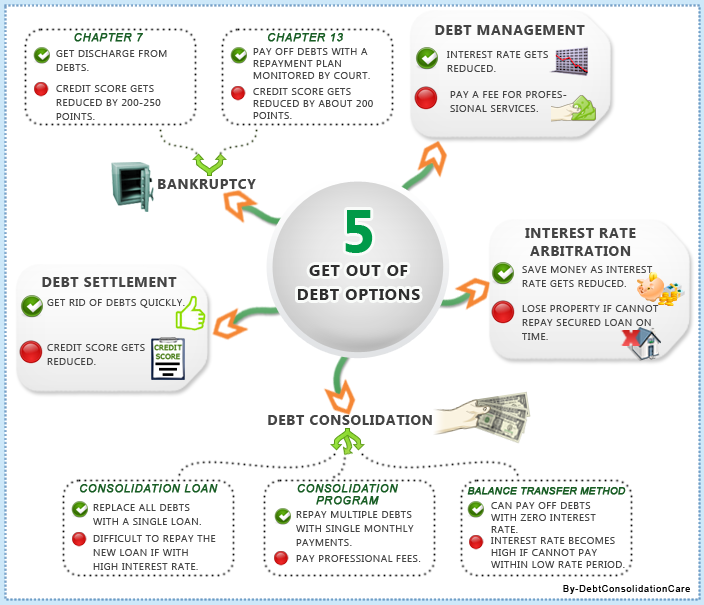
With a DMP, you make one month-to-month payment to the debt therapy company. Those funds are after that dispersed to creditors of your unsafe financial obligations, such as bank card and installment loans. The firm collaborates with your lenders to lower rate of interest or waive fees, however some financial institutions might refuse such concessions.
It can assist you pay down financial obligation if you're able to secure a car loan price that's reduced than the ordinary price of the accounts you're combining. You should avoid from racking up financial debt on those recently removed accounts or your financial debt could grow even greater.
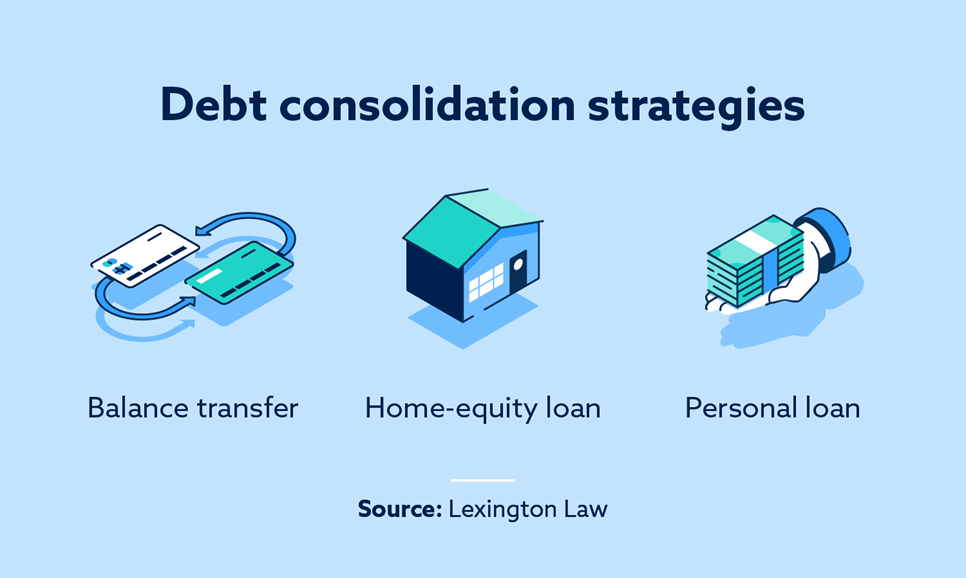
These cards frequently supply a 0% interest initial duration of as much as 21 months. That offers you a lot of time to remove or dramatically decrease your balance while making interest-free repayments. For some people facing impossible financial debt, bankruptcy may be the only way to stop collection process and legally solve their financial debts.
Post-Online vs Phone Credit Counseling: Which Format Is Right for You? Services Including Aftercare Programs - Truths
You may require it if your lender or a collection firm ever before tries to gather on the financial debt in the future. When a lending institution forgives $600 or more, they are needed to send you Type 1099-C.
Debt forgiveness or settlement usually hurts your credit. Anytime you clear up a financial obligation for much less than you owe, it may show up as "worked out" on your credit rating report and impact your credit history for seven years from the date of settlement. Your credit scores can likewise drop significantly in the months causing the mercy if you fall behind on payments.
Our Technology Is Making Online vs Phone Credit Counseling: Which Format Is Right for You? Better Statements
Tax obligation debt concession programs Tax obligation financial obligation occurs when the amount of taxes you owe exceeds what you have actually paid. This circumstance commonly results from underreporting income, not submitting returns promptly, or disparities located throughout an internal revenue service audit. The consequences of building up tax debt are major and can consist of tax liens, which provide the internal revenue service a lawful case to your residential property as protection for the debt.
Higher passion rates on readily available credit report. Wages and Financial institution Accounts internal revenue service can levy (seize) earnings and checking account to satisfy the financial obligation. Minimized income and disturbance of vital monetary processes. Home Seizure In severe situations, the IRS can seize and market home to cover the financial obligation. Loss of useful properties and possible displacement.
Depression, anxiety, and other mental wellness issues. Social Preconception Dealing with lawsuit from the IRS can lug social preconception. Damage to reputation and relationships. Work Opportunities A poor credit rating rating due to tire financial debt can limit employment possibility. Problem finding or maintaining a job. Federal government Benefits Tax obligation financial debt might influence eligibility for government benefits, such as Social Security and Medicaid.
About Rebuilding Your Credit Score Following Online vs Phone Credit Counseling: Which Format Is Right for You?
The OIC considers a number of variables, consisting of the taxpayer's revenue, expenditures, property equity, and capacity to pay. Efficiently negotiating an OIC can be complex, needing a thorough understanding of the IRS's guidelines and a solid argument for why your offer aligns with your capacity to pay. It is essential to note that not all applications are accepted, and the procedure needs in-depth economic disclosure.
The internal revenue service examines your total economic circumstance, including your income, expenditures, asset equity, and capacity to pay. You have to additionally be current with all declaring and repayment demands and not remain in an open bankruptcy case. The IRS additionally considers your compliance background, reviewing whether you have a record of prompt filing and paying taxes in previous years.
The smart Trick of How Avoiding Your Debt Problems Causes Things Worse That Nobody is Discussing
The application process for a Deal in Compromise involves several in-depth steps. First, you should complete and send IRS Form 656, the Deal in Concession application, and Kind 433-A (OIC), a collection information statement for people. These forms call for comprehensive monetary details, consisting of information concerning your income, financial obligations, costs, and possessions.
Back tax obligations, which are overdue taxes from previous years, can considerably raise your complete IRS financial debt otherwise attended to quickly. This financial debt can accrue passion and late settlement penalties, making the initial amount owed a lot larger in time. Failing to pay back tax obligations can lead to the internal revenue service taking enforcement actions, such as issuing a tax obligation lien or levy against your residential property.
It is essential to resolve back tax obligations as quickly as possible, either by paying the complete amount owed or by preparing a layaway plan with the internal revenue service. By taking aggressive actions, you can avoid the build-up of extra passion and penalties, and avoid extra aggressive collection actions by the internal revenue service.
One common factor is the idea that the taxpayer can pay the sum total either as a round figure or with a payment strategy. The IRS likewise takes into consideration the taxpayer's revenue, costs, possession equity, and future earning possibility. If these variables show that the taxpayer can pay for to pay more than the offered quantity, the internal revenue service is most likely to turn down the offer.
An Unbiased View of What's Ahead in Debt Forgiveness Services
Dealing with IRS financial debt can be complex and challenging. Tax obligation professionals, such as Certified public accountants, tax obligation lawyers, or enrolled agents, can supply invaluable aid.

Table of Contents
Latest Posts
The 9-Second Trick For Bankruptcy Fundamentals Before You Decide
Unsecured Debt Forgiveness Options - An Overview
Inflation and How More Americans Need for Debt Forgiveness Can Be Fun For Everyone
More
Latest Posts
The 9-Second Trick For Bankruptcy Fundamentals Before You Decide
Unsecured Debt Forgiveness Options - An Overview
Inflation and How More Americans Need for Debt Forgiveness Can Be Fun For Everyone